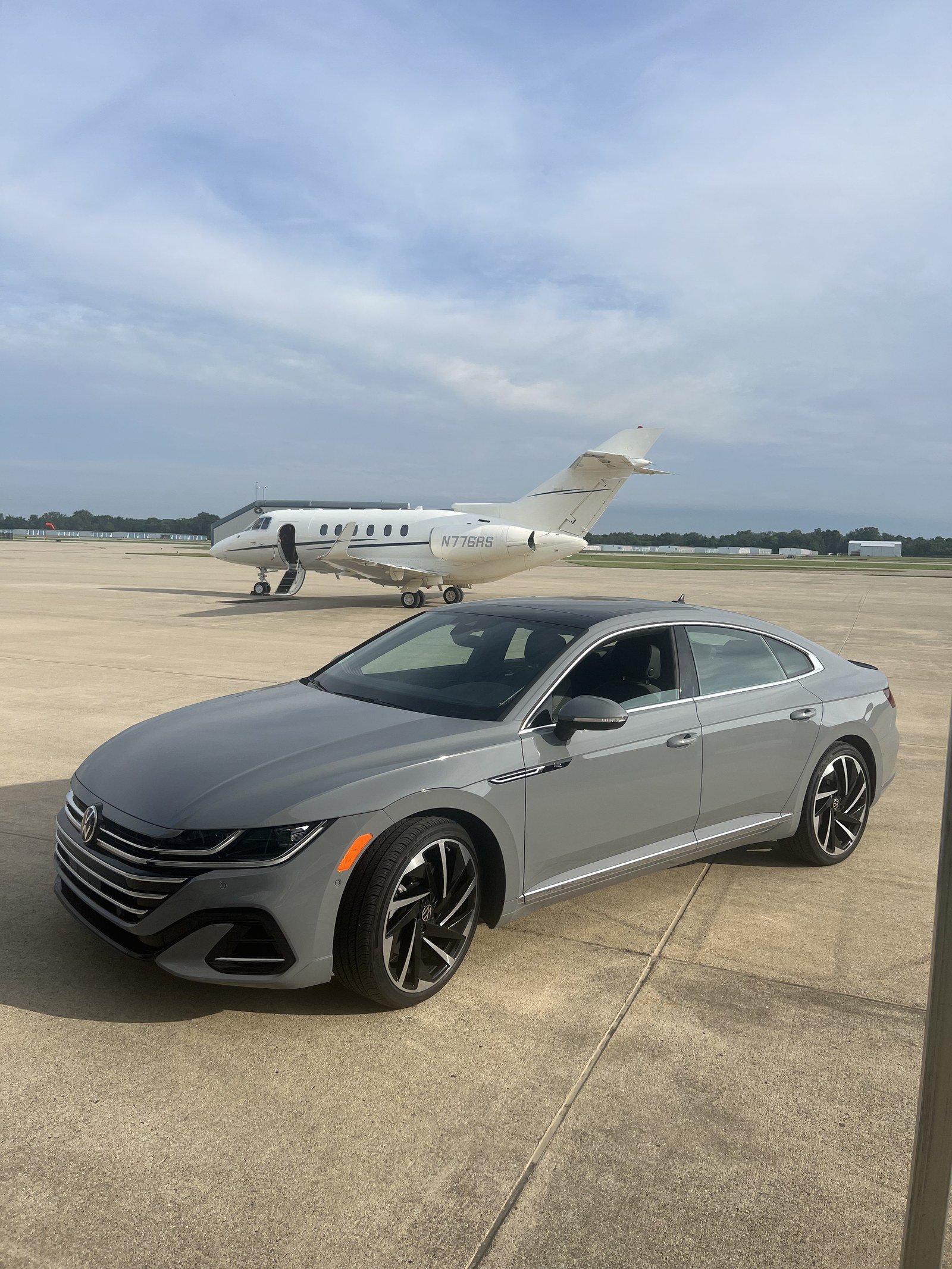
Modern car design has a bad habit of confusing complexity with innovation: bigger screens, more menus, hidden controls, software updates for tasks that used to need one button. The Arteon mostly ignores the trend.
Sitting in it, the impression is immediate: everything is where you expect it. The controls make sense on the first try. Visibility is excellent. The cabin feels composed instead of overwhelming — a fastback silhouette that reads more like a design statement than a features list.
It isn't exciting because of a 0-60 number. It's satisfying because every decision behind it feels deliberate — steering weight that feels natural, road manners that inspire confidence, a ride that balances comfort and precision without announcing either one.
This isn't engineering built for a headline. It's engineering built for ownership — the kind of car that still feels right in year three, not just on the test drive.
Sometimes progress isn't about reinventing the car. Sometimes it's about remembering why people liked driving one in the first place.